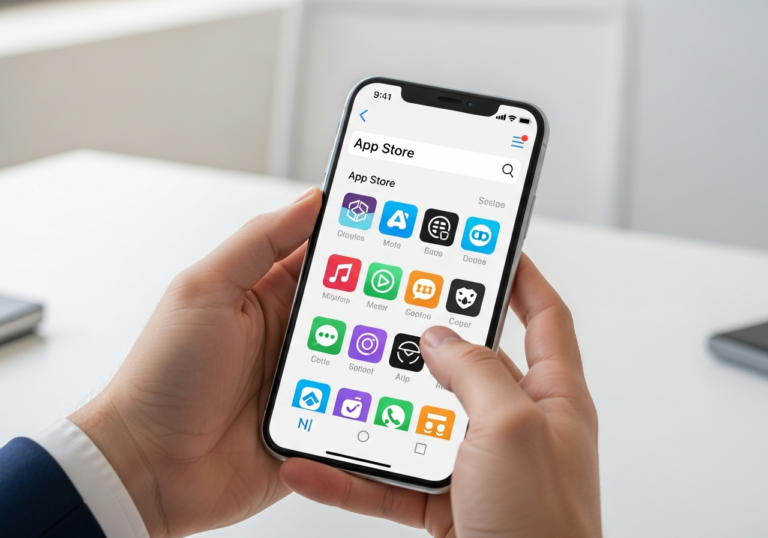
The mobile app ecosystem has transformed the gambling industry, but navigating app store policies for real money betting applications remains complex. Both Apple's App Store and Google Play Store maintain strict guidelines that significantly impact how operators distribute their gambling apps in the United States market.
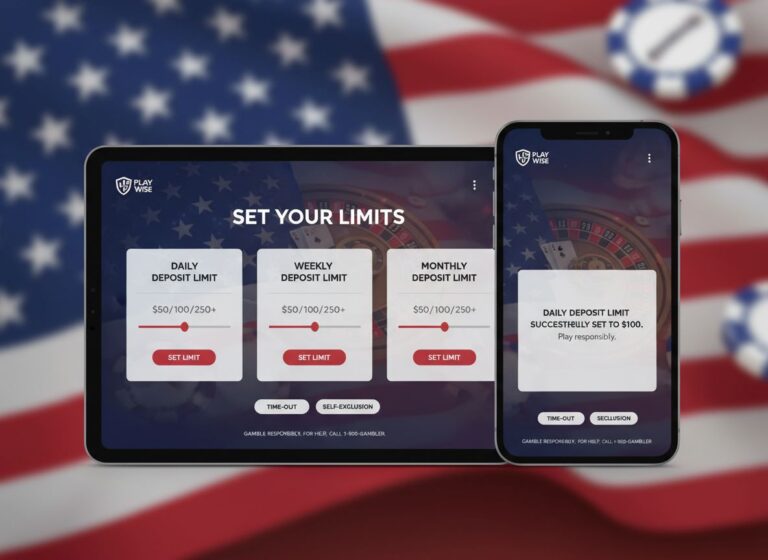
Deposit limits represent one of the most effective responsible gaming tools available on US online gambling platforms, functioning as predetermined caps on the amount of money players can add to their accounts within specific timeframes. These protective measures have gained widespread adoption across major sportsbooks and online casinos, with research consistently demonstrating their effectiveness in reducing gambling-related harm and promoting safer play patterns.
No-deposit bonus codes have become one of the most sought-after promotions in the US gaming industry, promising players the chance to experience casino games without risking their own money. These promotional offers appear across countless gaming sites, each claiming to provide the best value and easiest path to real money winnings. However, the reality behind these enticing offers is far more complex than most players realize.
Auto-cashout functionality cuts late-cashouts by 18% and reduces session losses by 12% for crash game players, making it one of the most impactful features for managing gambling returns. This automated mechanism allows players to set predetermined multiplier targets where their bets automatically cash out, removing emotional decision-making from the equation. For US players accessing legal offshore sites like Stake.us, where crash games typically offer 97% RTP, understanding how auto-cashout affects returns becomes crucial for sustainable play.
The 2018 Supreme Court decision that overturned the Professional and Amateur Sports Protection Act (PASPA) fundamentally transformed the American gambling landscape, but it also created an unexpected complexity for players: the need to maintain separate accounts for casino games and sports betting in many states. This separation stems from distinct licensing frameworks that treat online casinos and sportsbooks as fundamentally different gaming products, each requiring separate regulatory oversight and compliance structures.